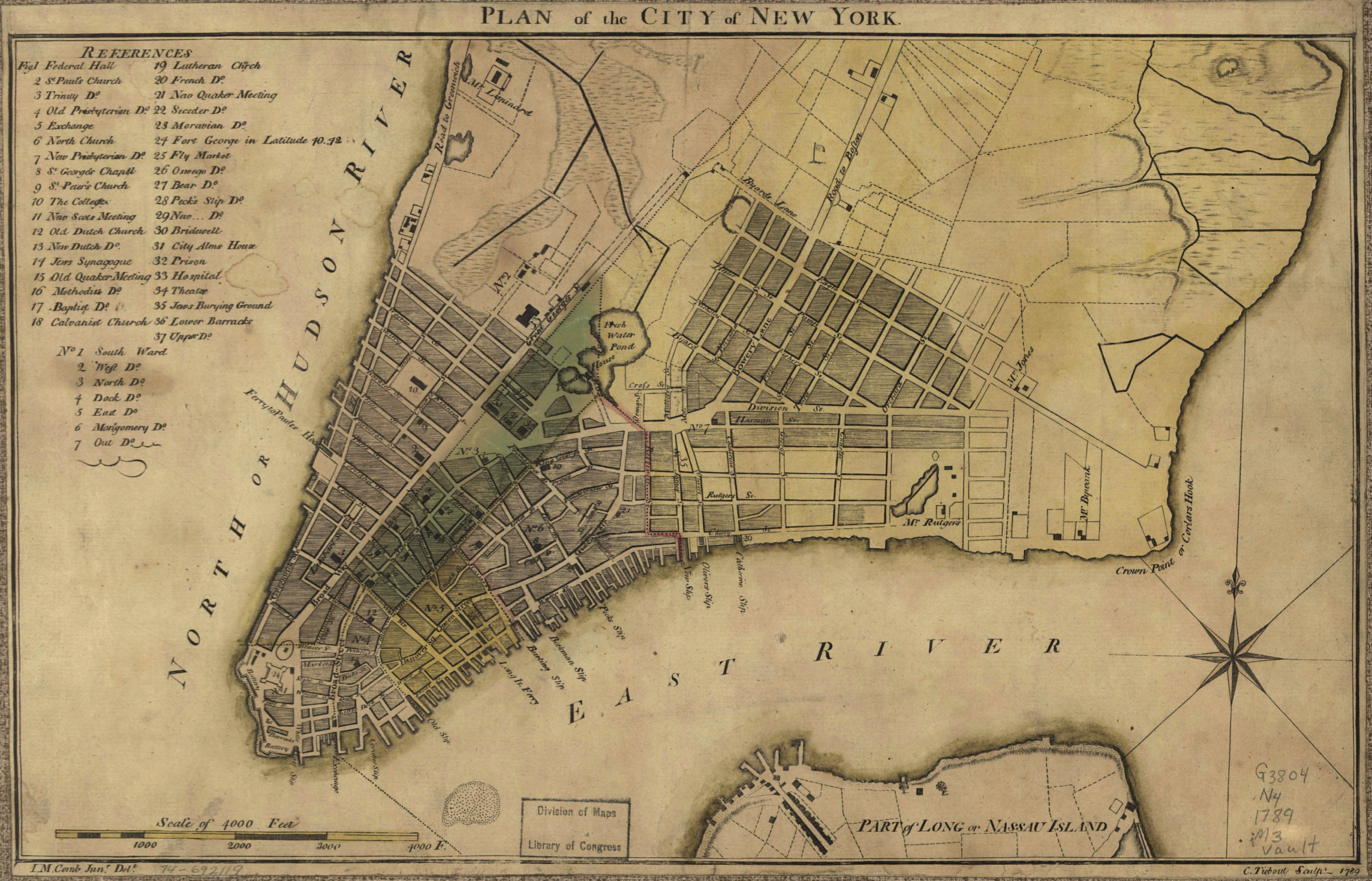
Rare and important 18thcentury plan of New York City Rare & Antique Maps

King's Color-graphs of New York City (1910) Early 20th century: 1898-1945. New York's Singer Building was the world's tallest building when completed in 1908. It was demolished in 1968.. List of newspapers in New York in the 18th century
Images of New York 18th Century

On June 27, a plaque marking the site of New York City's main 18th-century slave market was unveiled in Lower Manhattan by Mayor Bill de Blasio. Reflecting on 300 years of local history, he drew a comparison between black life then and now: "It was true two, three centuries ago, even though it was never acknowledged. It was true then, it is.
Prendergast's Rent War, a colonial American rebellion Mehitable's four sleepless nights

The print evokes the bucolic nature of Manhattan in the mid-18th century. Today, this spot lies roughly at the intersection of Varick and Beach Streets. Read More. New York Countryside, 1776. From present-day University Heights in the Bronx, the artist looks west across the Harlem River as Hessian forces take part in a successful assault to.
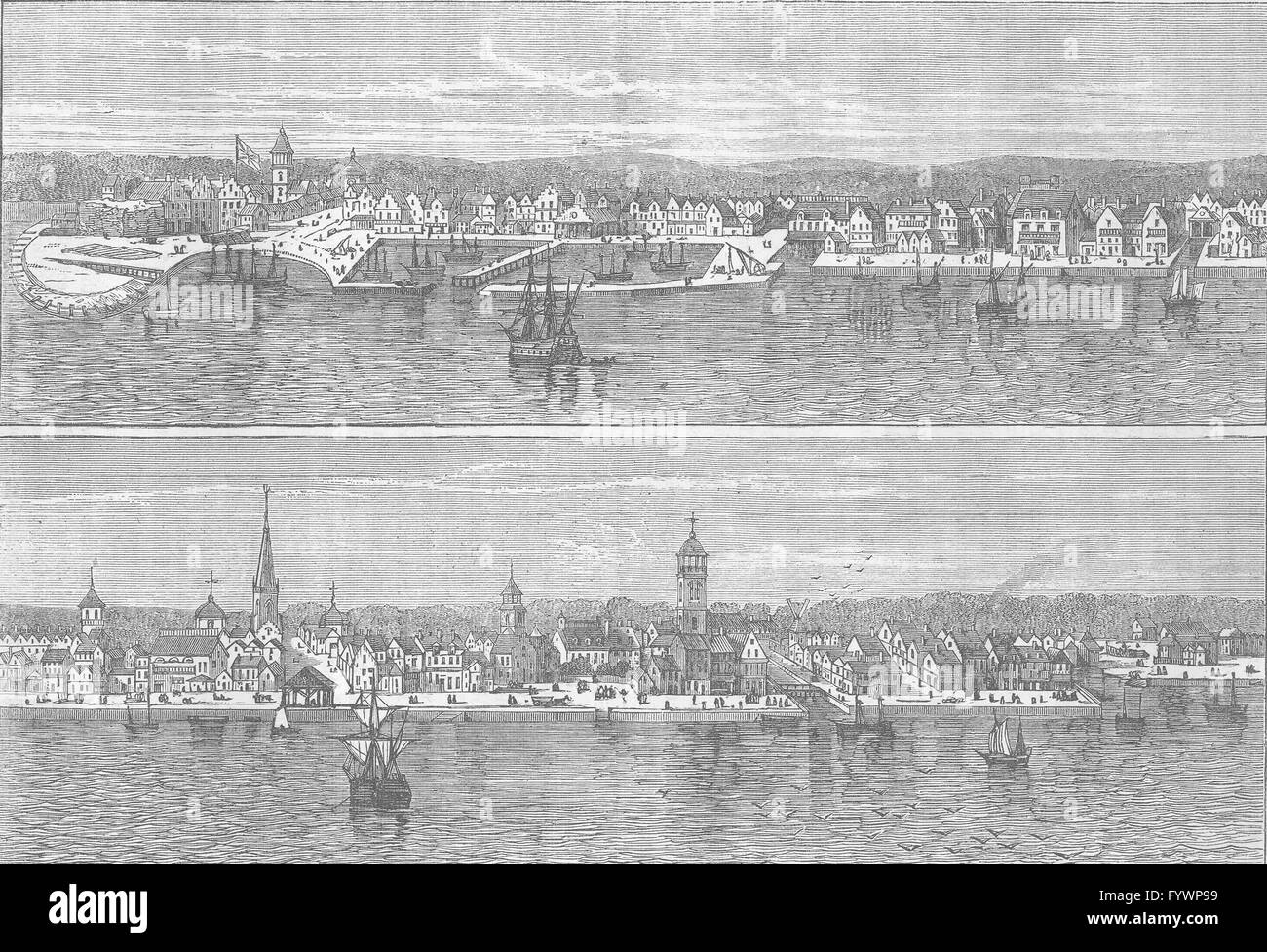
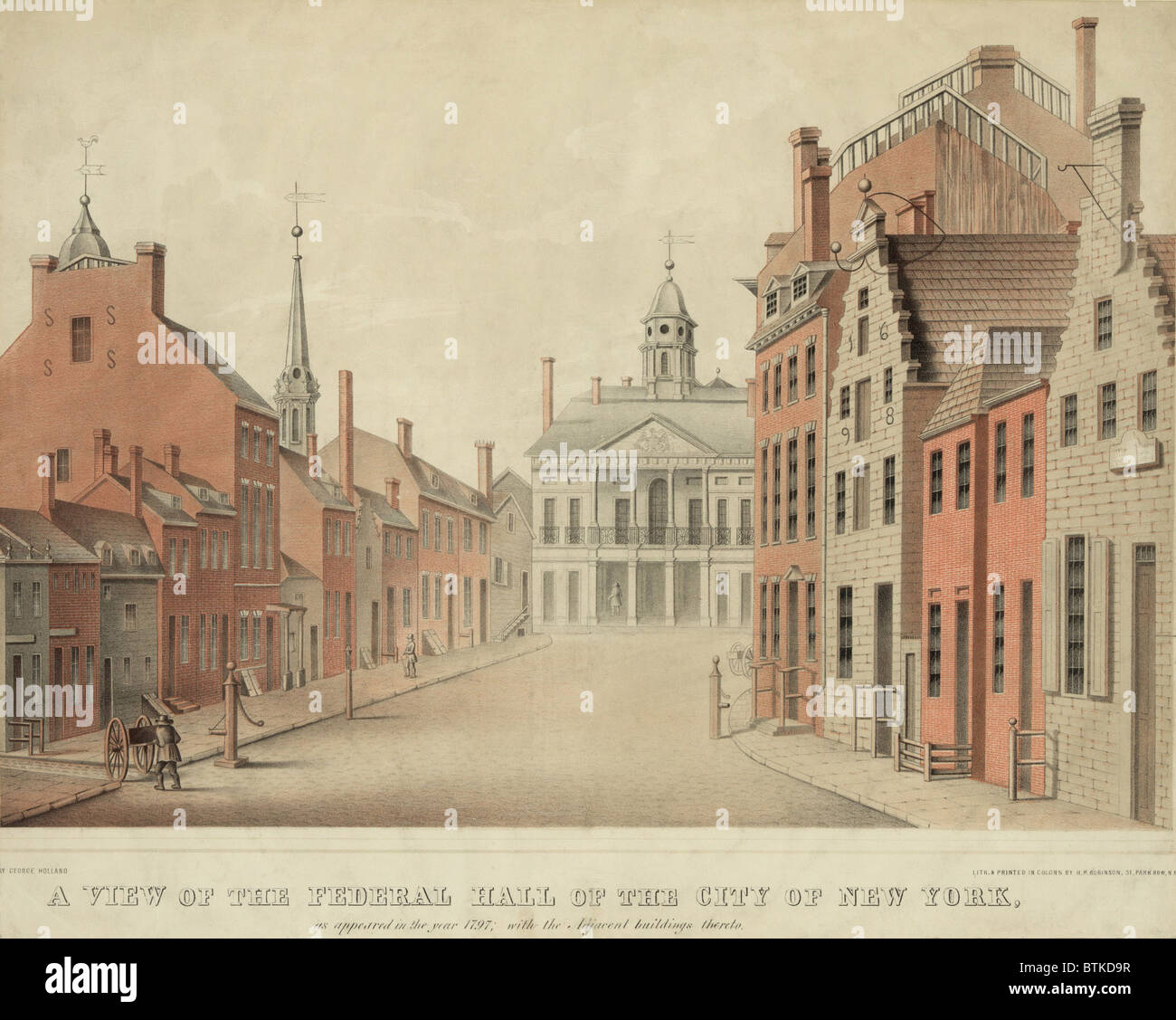
NEW YORK Mid 18th century , antique print c1880 Stock Photo Alamy
If portraiture and figure painting are the most conspicuous surviving eighteenth-century forms of draftsmanship by Americans,. Perhaps the most prominent practitioners in New York City were the Scottish émigré brothers Alexander (1772-1841) and Archibald (1765-1835) Robertson, who founded the city's first known art school, the.
Le Enfant Terrible 18th Century New York
Updated on December 06, 2019. In the 19th century, New York City became America's largest city as well as a fascinating metropolis. Characters such as Washington Irving, Phineas T. Barnum, Cornelius Vanderbilt, and John Jacob Astor made their names in New York City. And despite blights on the city, such as the Five Points slum or the notorious.
18thcentury Dutch Colonial house is a portal to NYC’s past Curbed NY
/cdn0.vox-cdn.com/uploads/chorus_image/image/53997427/254629062.0.jpg)
The history of New York City (1784-1854) started with the creation of the city as the capital of the United States under the Congress of the Confederation from January 11, 1785, to Autumn 1788, and then under the United States Constitution from its ratification in 1789 until moving to Philadelphia in 1790. The city grew as an economic center with the opening of the Erie Canal in 1825; the.
Maps of 18th Century America
New Netherland (Dutch: Nieuw-Nederland) was the 17th-century colonial province of the Republic of the Seven United Netherlands and the Dutch West India Company.It claimed territories along the eastern coast of North America from the Delmarva Peninsula to southwestern Cape Cod.Settled areas of New Netherland are now constitute the states of New York, New Jersey, Delaware, and Connecticut, and.
18th Century New York City Stock Photos & 18th Century New York City Stock Images Alamy
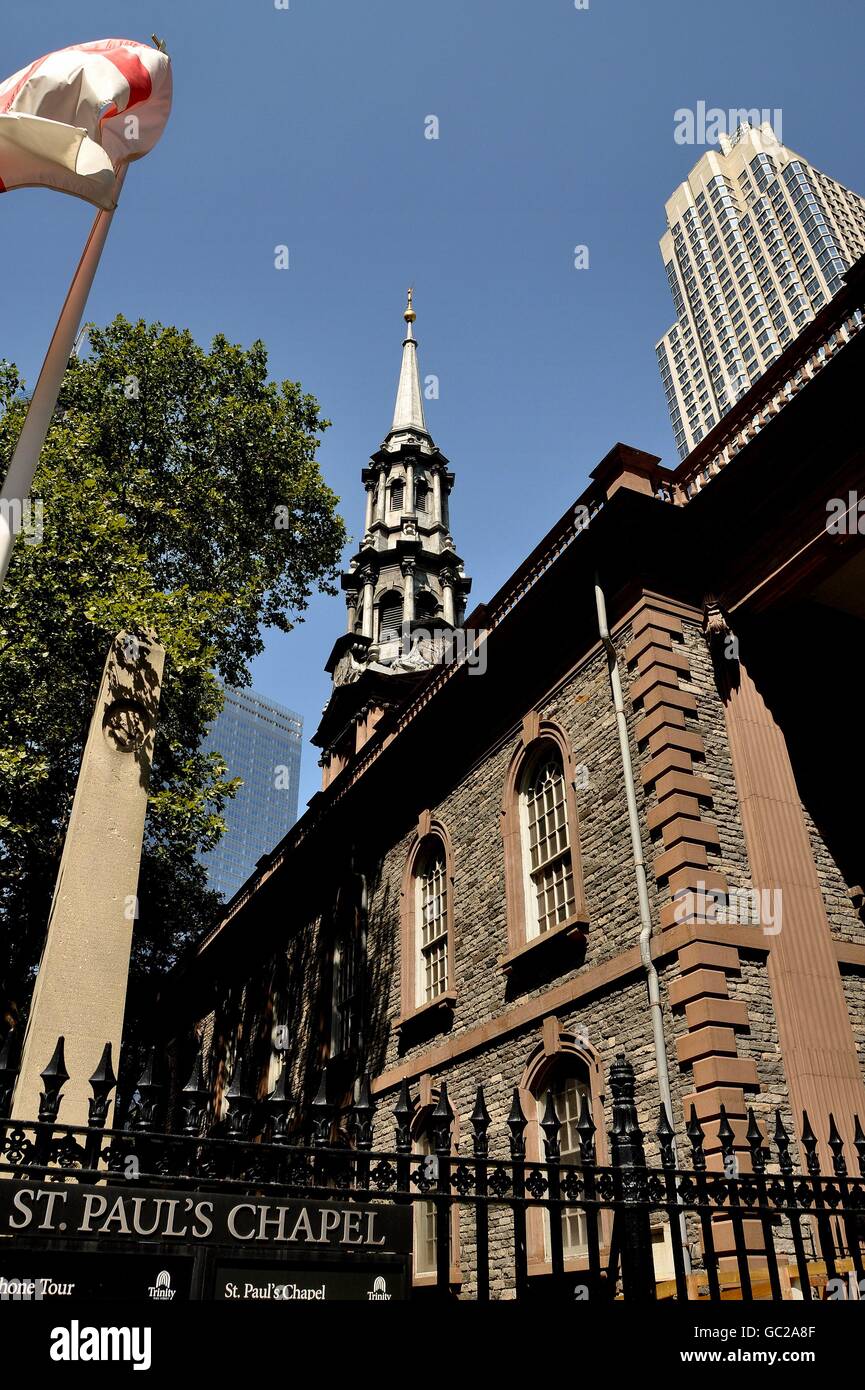
New York City in the 18th Century . In 1664, the British seized New Amsterdam from the Dutch and gave it a new name: New York City. For the next century, the population of New York City grew.
18th century new york city hires stock photography and images Alamy
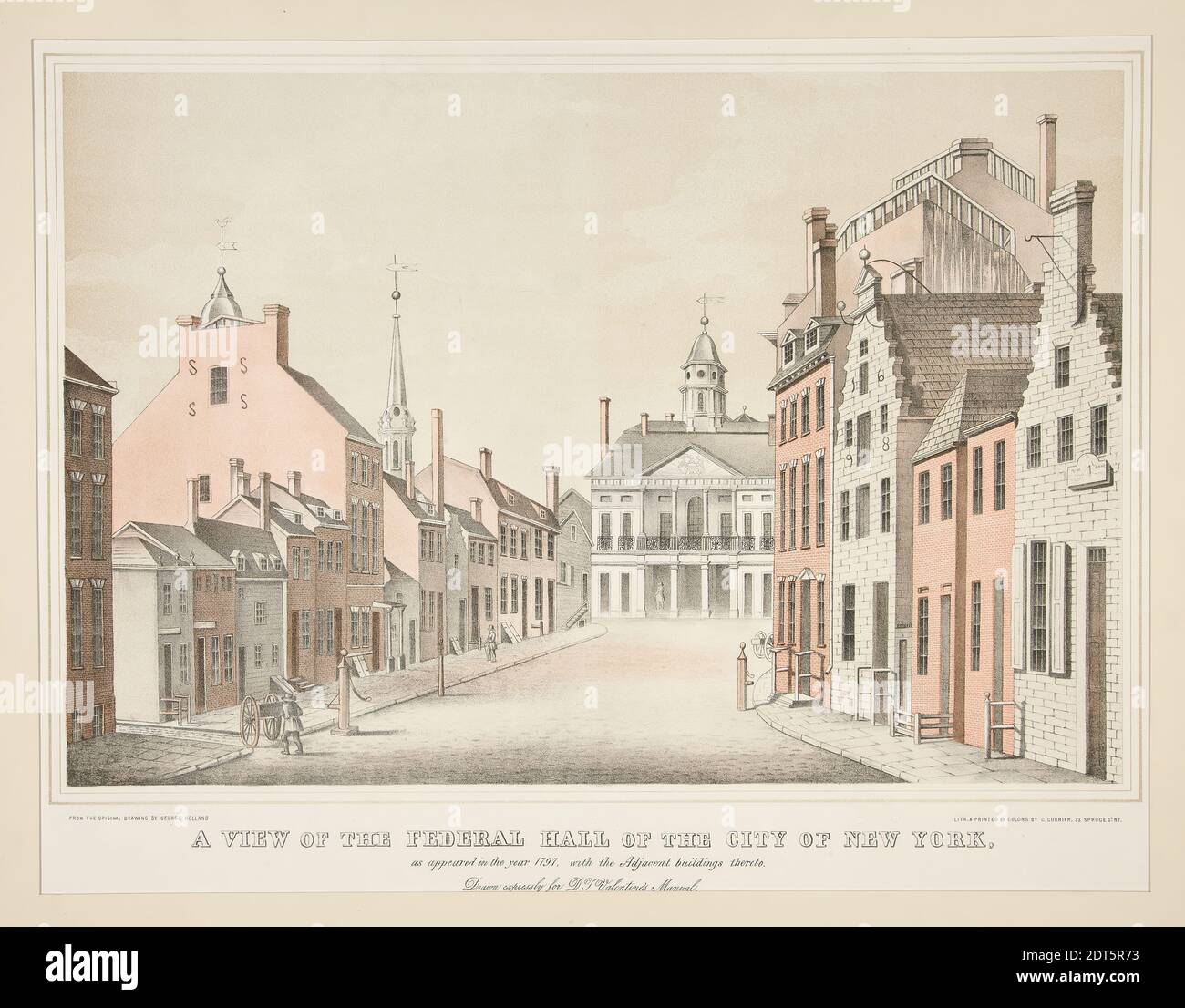
Click on the date links to see NYC land atlases and maps: NYC Land Atlases (Bronx, Brooklyn, Manhattan, Queens, Staten Island) NYC & vicinity 1776 / 1777 / 1781 / 1828 / 1835 / 1839 / 1842 1849 / 1849ii / 1873 / 1880 / 1909 / 1911 / 1922 New York Harbor 1733 / 1733ii / 1737 / 1749 or 1767 / 1750?
New York in the MidEighteenth Century Judaic Treasures
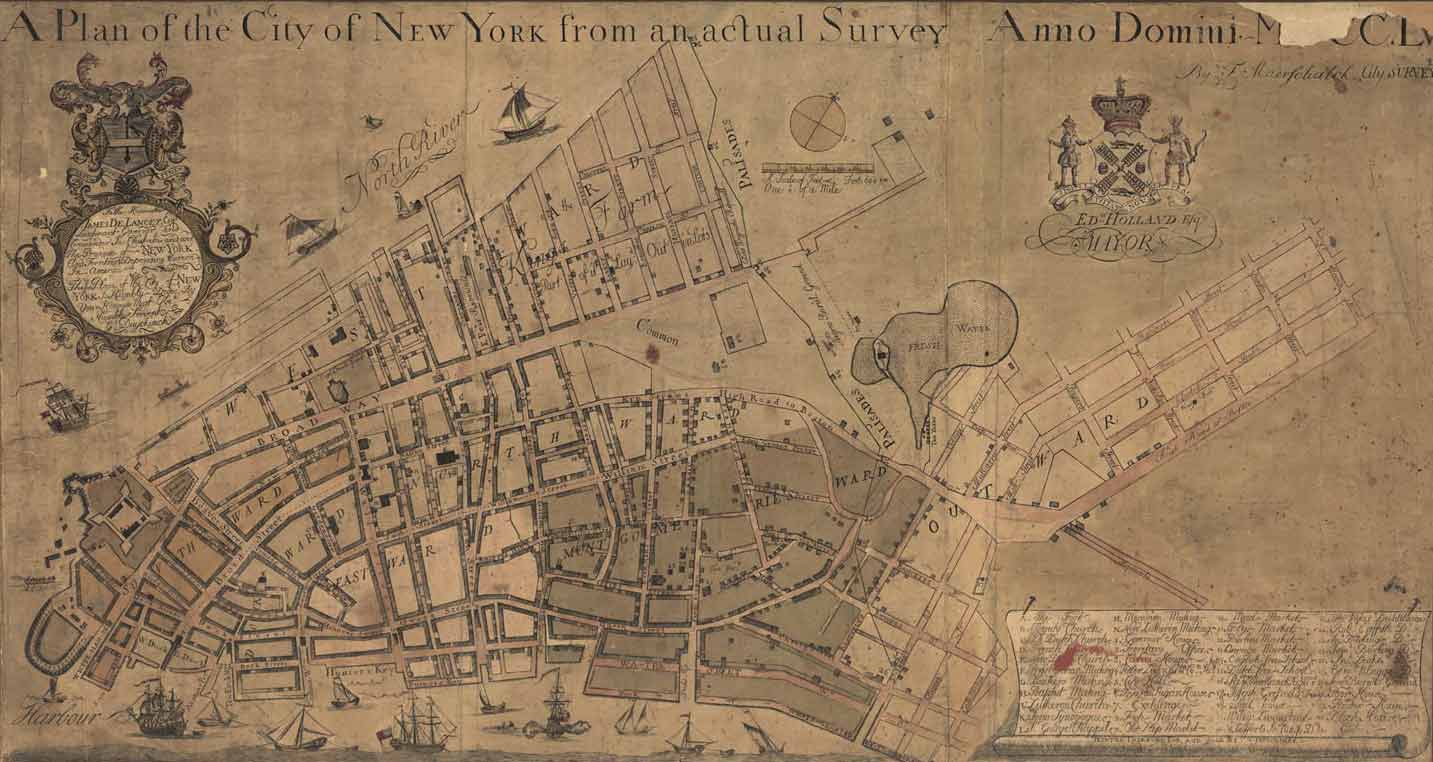
18th Century New York . By 1700 New York had a population of almost 5,000 and it continued to grow rapidly. By 1776 the population was about 25,000. In 1800 New York City had about 60,000 inhabitants. In the 18th century, the main industry in New York was milling. The grain was ground into flour by windmills.
Seymour Joseph Guy The Contest for the Bouquet The Family of Robert Gordon in Their New York
The history of New York City (1855-1897) started with the inauguration in 1855 of Fernando Wood as the first mayor from Tammany Hall, an institution that dominated the city throughout this period.Reforms led to the New York City Police Riot of June 1857. There was chaos during the American Civil War, with major rioting in the New York Draft Riots.The Gilded Age brought about prosperity for.
18th century new york map hires stock photography and images Alamy
The need to build the nation and rebuild NYC after the Revolutionary War (1775-1783) necessitates immigration to New York City. Episode 2 documents how, between the end of the 18th Century and the start of the 19th Century, NYC is increasingly becoming the most important city in the U.S., further amplifying the need for immigrant labor.
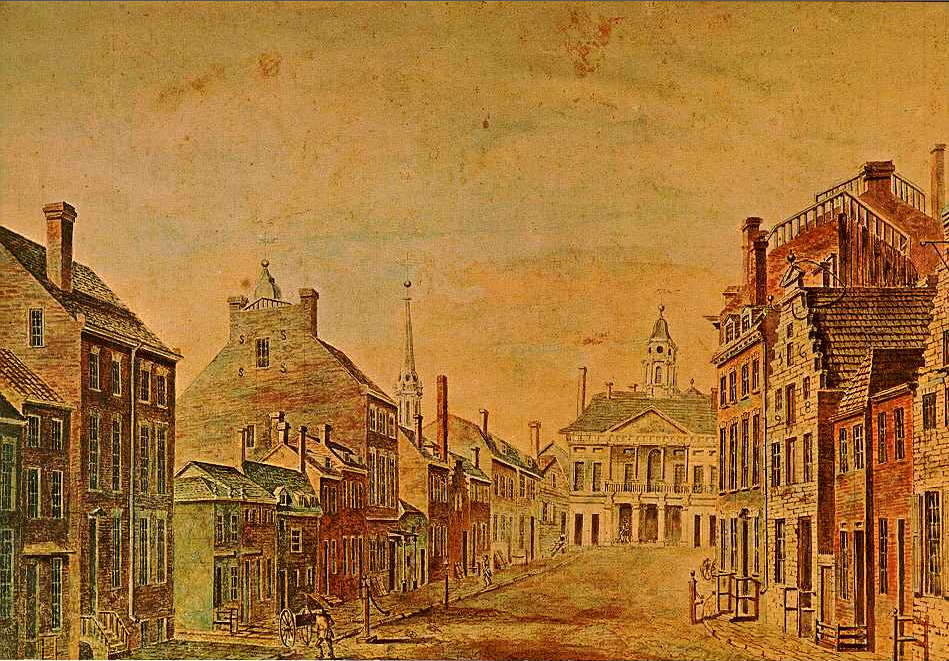
Recentlydiscovered 18thc. watercolor view of New York City Rare & Antique Maps

Image 1. Bernard Ratzer, "Plan of the city of New York in North America: Surveyed in the years 1766 & 1767," published January 12, 1776. The Lionel Pincus and Princess Firyal Map Division, The New York Public Library, Astor, Lenox and Tilden Foundations. This map, by British army officer Bernard Ratzer, is the most accurate depiction of New.
Online Map Collection Provides a Peek at New York Over the Centuries The New York Times

New York in the seventeenth and early eighteenth century was a small-scale town/city, characterized by a mercantile economy (Blackmar 1979; Nash 1979). Long-distance trade, involving initially the export of furs, and then a variety of agricultural products (and, later, manufactured goods), took place between New Amsterdam/New York and Europe.
18th Century New York City
You can view some of our maps and atlases by clicking the links below: New York City Antiquarian Maps and Atlases Links to NYC fire insurance atlases and maps. NYC Land Atlases (Bronx, Brooklyn, Manhattan, Queens, Staten Island) NYC & vicinity - 1776 / 1777 / 1781 / 1828 / 1835 / 1839 / 1842 1849 / 1849ii / 1873 / 1880 / 1909 / 1911 / 1922 New York Harbor - 1733 / 1733 / 1737
Jamestown, Va, 1660's. Keith Rocco. Although Jamestown never became the great city John Smith

18th Century American Newspapers List. Connecticut ; Delaware ; District of Columbia. 1820. Continued by the New-York statesman (Albany). Periodicity varies: Oct. 13, 1788-July 6, 1795, weekly.. These began to appear in the first half of the nineteenth century, perhaps as early as 1825. At the Centennial Exposition in Philadelphia in 1876.
.